
Through nine photographic narratives, CROISER spotlights men and women whose stories, as they converge, open up to a future.
Each of these series emerged from a specific ground : the caste system in India, a polluted coastline in Haiti, a Palestinian refugee camp in Syria, a slum in Kenya, a migrant community in the United States, a reception center in Sri Lanka. Yet, as the pictures came together, a clear realization became visible : none of these stories refuses to be confined to a single theme. Post-conflict reconstruction always intersects with the struggle for women's rights. Fight against discrimination is archived through education. Environmental protection involves the same issues of justice and dignity as the defense of human rights.
This exhibition brings together nine stories featuring women, young people, and communities engaged in contexts marked by exile, inequality, violence, or climate upheaval. Faced with these realities, the aim is not only to bear witness, but also to reveal the common ground emerging where struggles intersect: forms of resistance, invention and transmission.
CROISER means refusing to tell these stories as parallel lines that never meet but cross paths. Here a border, a trial, a rupture, or a fear become zones of confluence rather than dead ends, like paths that intersect before each continues on, enriched, toward its own horizon. This exhibition celebrates unsung heroes: the individuals who transform lives and open pathways to greater dignity, solidarity, and hope.
The Local Initiatives
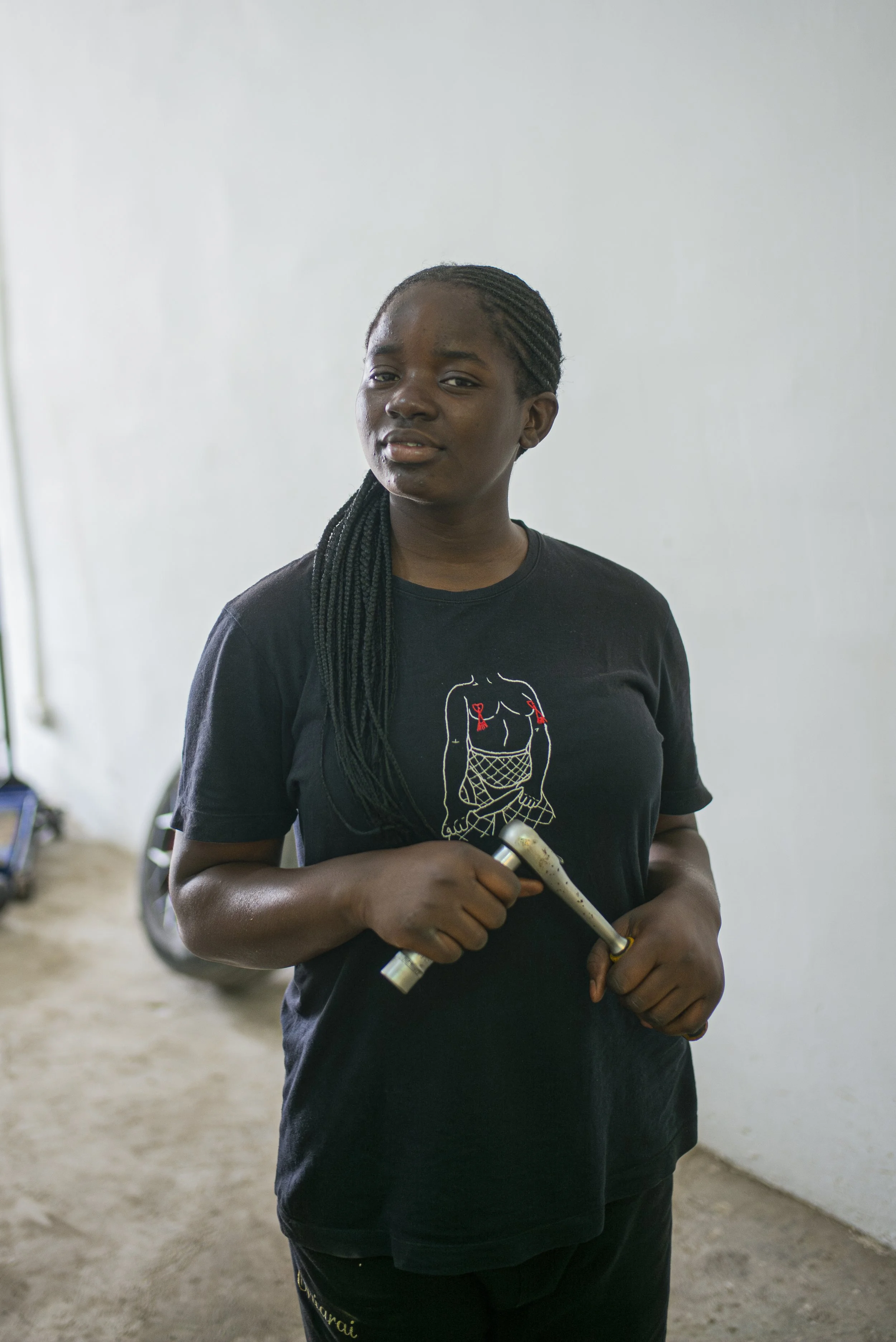
FoProBiM, Haiti
Fondation pour la Protection de la Biodiversité Marine (FoProBiM), Cap-Haïtien, Haiti
Photographer: Olivier Jobard
Fishers and charcoal producers around Cap-Haïtien depend on a shoreline whose resources are running out. FoProBiM, founded in 1992, works with those communities on education, research, monitoring, and advocacy for Haiti's coastal and marine systems, and has replanted more than 10,000 red mangroves at Caracol and Camp Louise. The portfolio follows the daily work of fishing and charcoal, and the loss of the mangrove forest that shelters the coast.
Jagar Pratishthan, India
Jagar Pratishthan, Beed district, Maharashtra, India
Photographer: Chloé Sharrock
Widows of farmers in Beed district, Maharashtra, farm land they are rarely permitted to inherit, in a region where failed monsoons and debt drive farming families into seasonal cane cutting. The debt taken on in their husbands' names stays with them. Jagar Pratishthan works with these widows and their families to claim land rights and the legal recognition their entitlements depend on, and to confront the caste exclusions underneath both.
+91 95272 39000
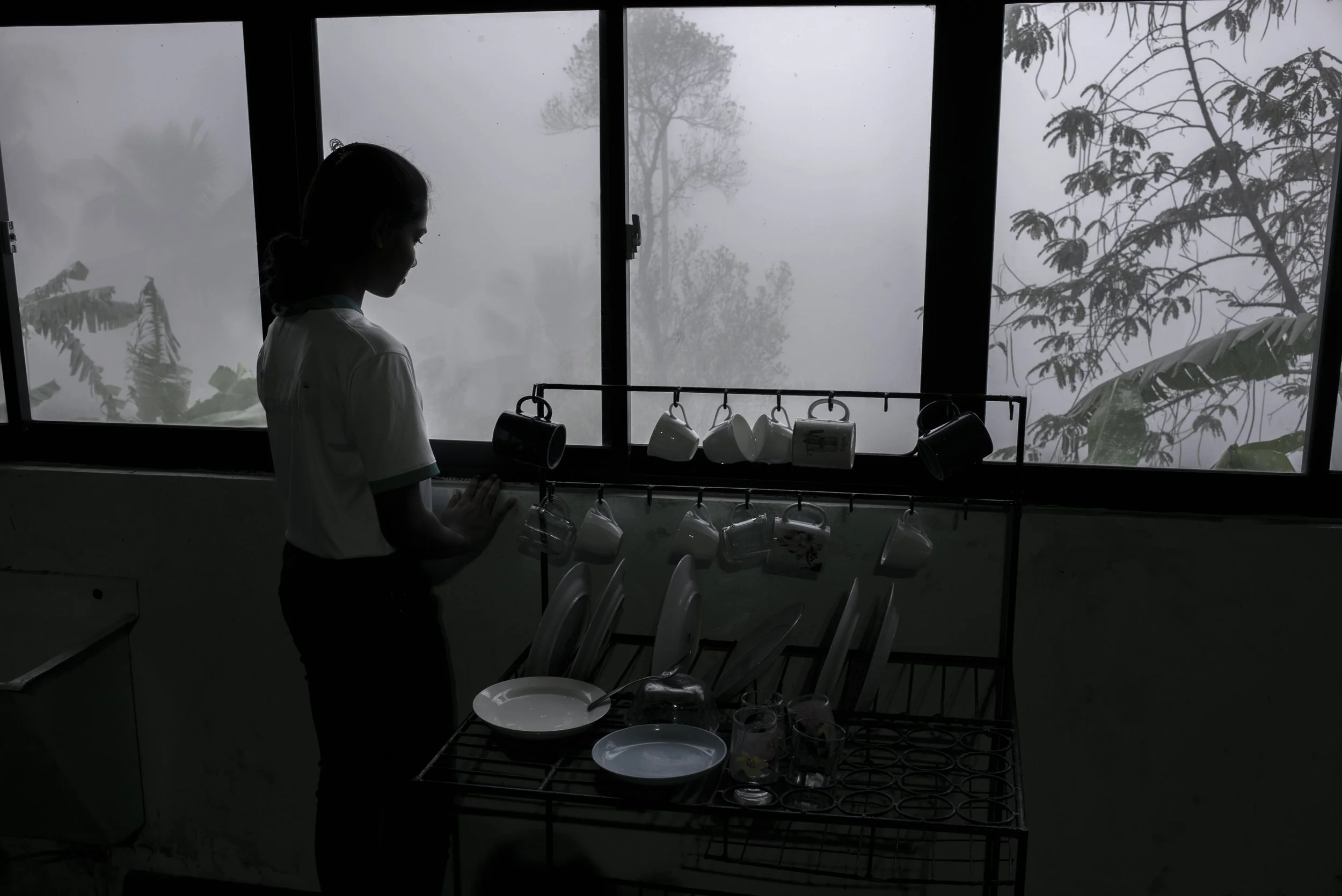
Emerge Lanka, Sri Lanka
Emerge Lanka, Colombo, Sri Lanka
Photographer: Guillaume Binet
Teenage survivors of child sexual abuse in Colombo build futures with Emerge Lanka, founded more than twenty years ago. The organization works with girls placed in state care, pairing trauma-informed support with jewelry making and vocational training so that girls leave with income of their own.
Al-Beit al-Felastini, Syria
Al-Beit al-Felastini, Yarmouk, Damascus, Syria
Photographer: Olivier Jobard
Palestinian families are returning to Yarmouk, the camp in Damascus that held the largest Palestinian community in Syria before the war and was emptied by siege and fighting. They are rebuilding in a place with unreliable water and damaged soil. Al-Beit al-Felastini, The Palestinian House, provides essential services to the community in the camp, including two schools it has supported since the fall of Bashar al-Assad.
Holy Trinity Migrant Familia, United States
The Holy Trinity Migrant Familia, Washington, DC, USA
Photographer: Agnès Dherbeys
Afghan, Salvadoran, and Gabonese families arriving in Washington, DC, meet the asylum system with the Holy Trinity Migrant Familia team beside them. The volunteers accompany families through claims, schooling, and housing, while detentions and court hearings reach into the community around them. Some families have been in the process for years. They chose what to show of their own lives.
www.trinity.org/social-justice/migrants-refugees
+1 202 903 2836
Migrant Justice / Justicia Migrante, United States
Migrant Justice / Justicia Migrante, Burlington, Vermont, USA
Photographer: Guillaume Binet
Around 1,200 immigrant farmworkers live and work on Vermont's dairy farms, most from rural southern Mexico and Central America, displaced from home by US trade policy and by the impact of climate change. They work seventy hours a week and more for sub-minimum wages, at high risk of detention and deportation. Migrant Justice was founded in 2009 and is led by those farmworkers, and their organizing has won rights and protections that reach immigrant communities across the state.
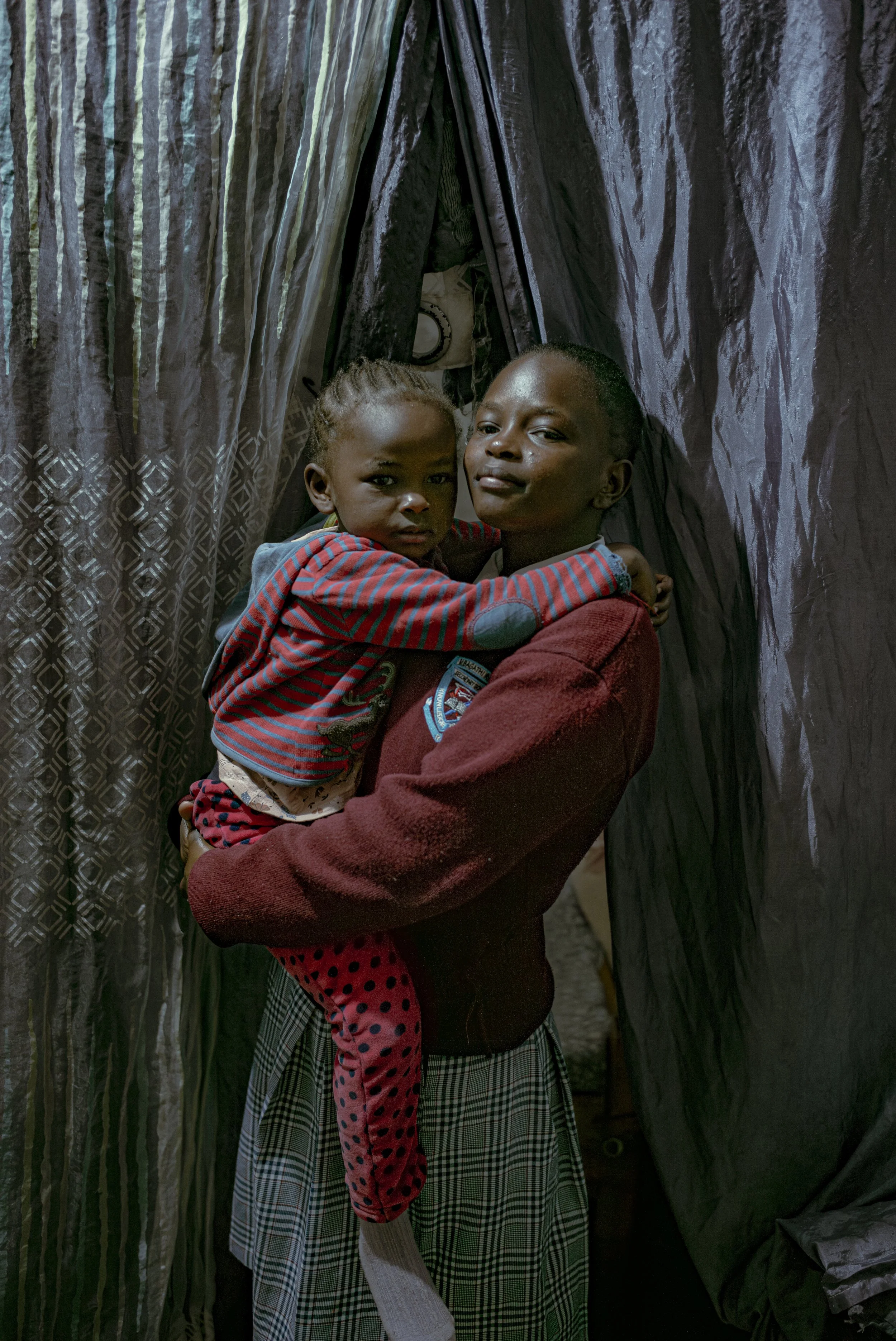
CFK Africa, Kenya
CFK Africa, Kibera and other informal settlements, Nairobi, Kenya
Photographer: Guillaume Binet
Teenage mothers living in informal settlements return to school and to vocational training with CFK Africa, which pairs that support with counseling and with safe spaces. CFK Africa also works with landlords, police gender desks, and male allies against sexual and gender-based violence, which 45 percent of Kenyan women experience in their lifetime.
Gulabi Gang, India
Gulabi Gang, Uttar Pradesh, India
Photographer: Véronique de Viguerie
Rural women in northern India earn daily wages in the fields and confront domestic violence and child marriage in their own villages. Gulabi Gang is a women's collective. It runs sewing and livelihood training, and teaches girls self-defense and their legal rights. It also works to keep girls from poor families in school. The women wear pink saris when they intervene, and Gulabi Gang describes the sari as the voice of women who have learned to demand respect.
www.gulabigang.in · Instagram @Sampatpalofficial · Helpline and WhatsApp +91 8009152345
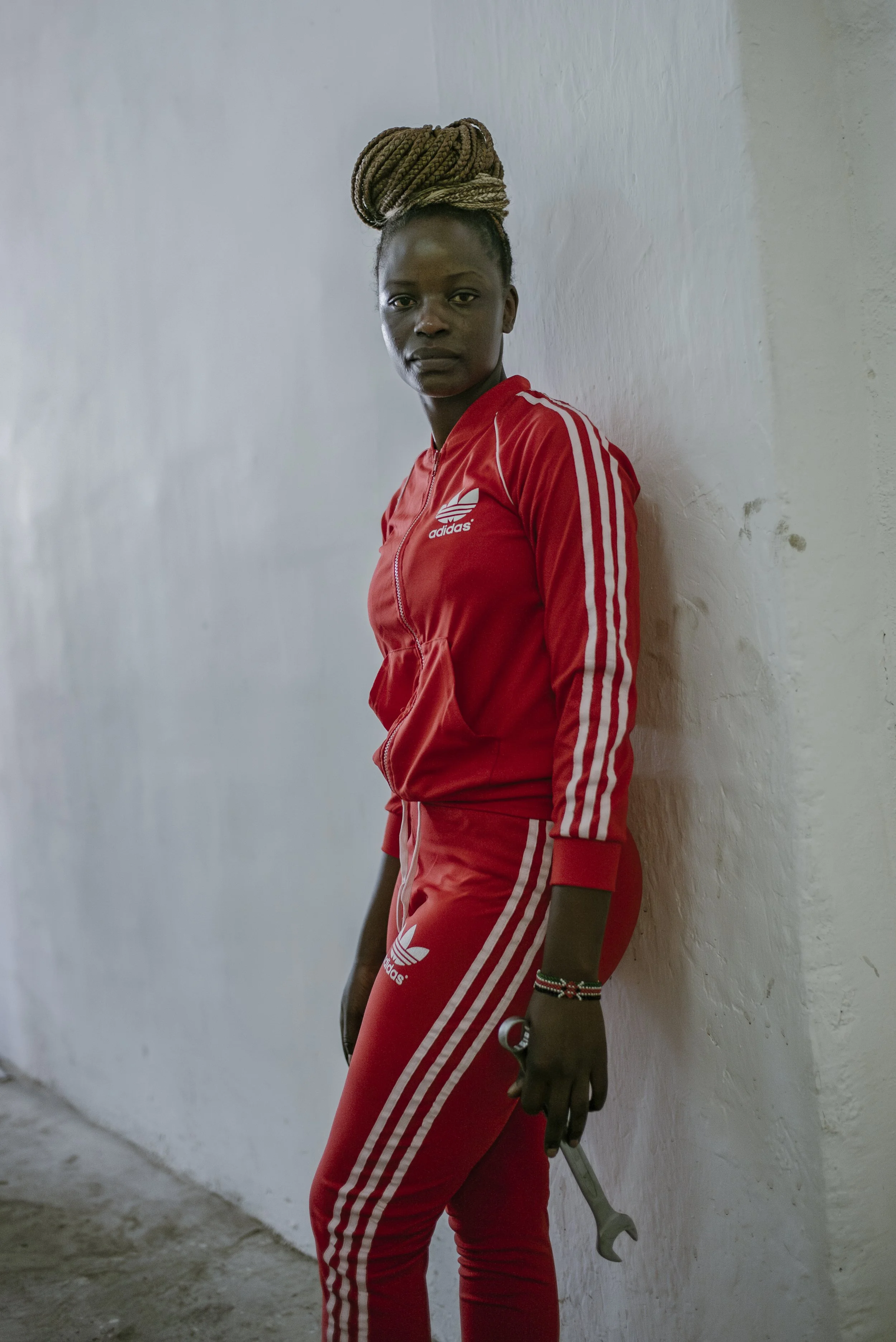
Inuka Cultural Center, Kenya
The Inuka Cultural Center, Kibera, Nairobi, Kenya
Photographer: Guillaume Binet
Children and young people in Kibera, Nairobi's largest informal settlement, come to the Inuka Cultural Center to learn capoeira, street dance, music, and storytelling. The dance floors double as safe spaces. Inuka runs mentorship and leadership programs for girls and young women alongside the classes. The portfolio was made in the alleys of Kibera and in the ro that form in the streets around the center.
The photographers are:

Agnès Dherbeys
Agnès Dherbeys is an award-winning photojournalist (Robert Capa Gold Medal, World Press Photo), works on issues of identity. She has worked in the United States for The PhotoBridge Project.
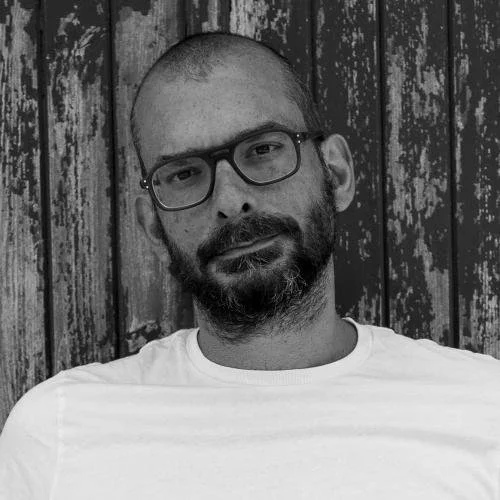
Guillaume Binet
Guillaume Binet (winner of the ELLE Readers' Grand Prix and Picture of the Year International) documents conflicts and collaborates with major humanitarian organizations. He has produced reportage in Sri Lanka, the United States, and Kenya.
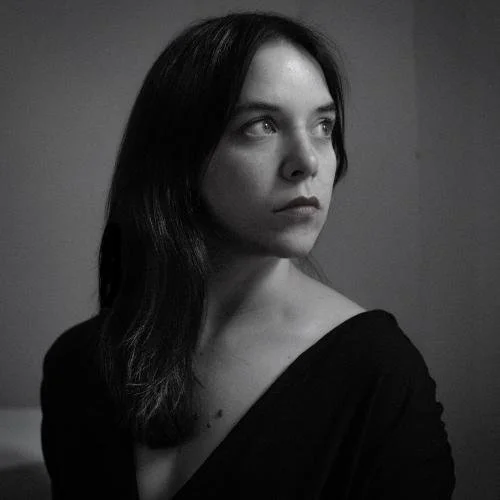
Chloe Sharrock
Chloé Sharrock covers women's rights and contemporary crises. She is a prizewinner of the CNAP and the Grande Commande nationale commission. Her work took her to the state of Maharashtra in India.
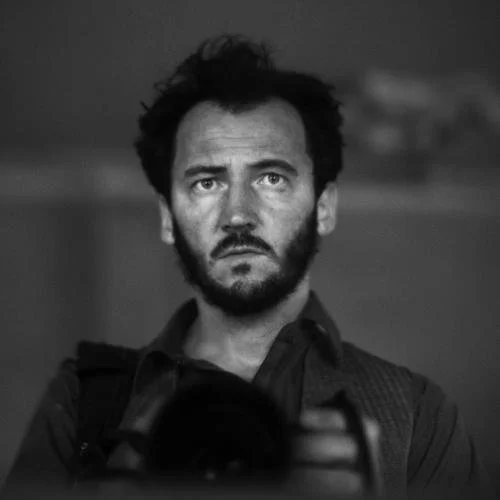
Oliver Jobard
Olivier Jobard has dedicated his work to migration and exile for over twenty years (Visa d’Or, World Press Photo, Emmy Award). He has worked in Syria and Haiti.
Véronique de Viguerie
Véronique de Viguerie (World Press Photo, Bayeux Award, Visa d’Or Humanitarian Award) has worked in Uttar Pradesh, India.
Contacts
Guillaume Binet
Roger Middleton